
Introduction to Motorcycle Stators
What is a Stator?
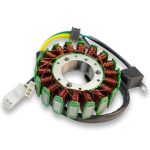
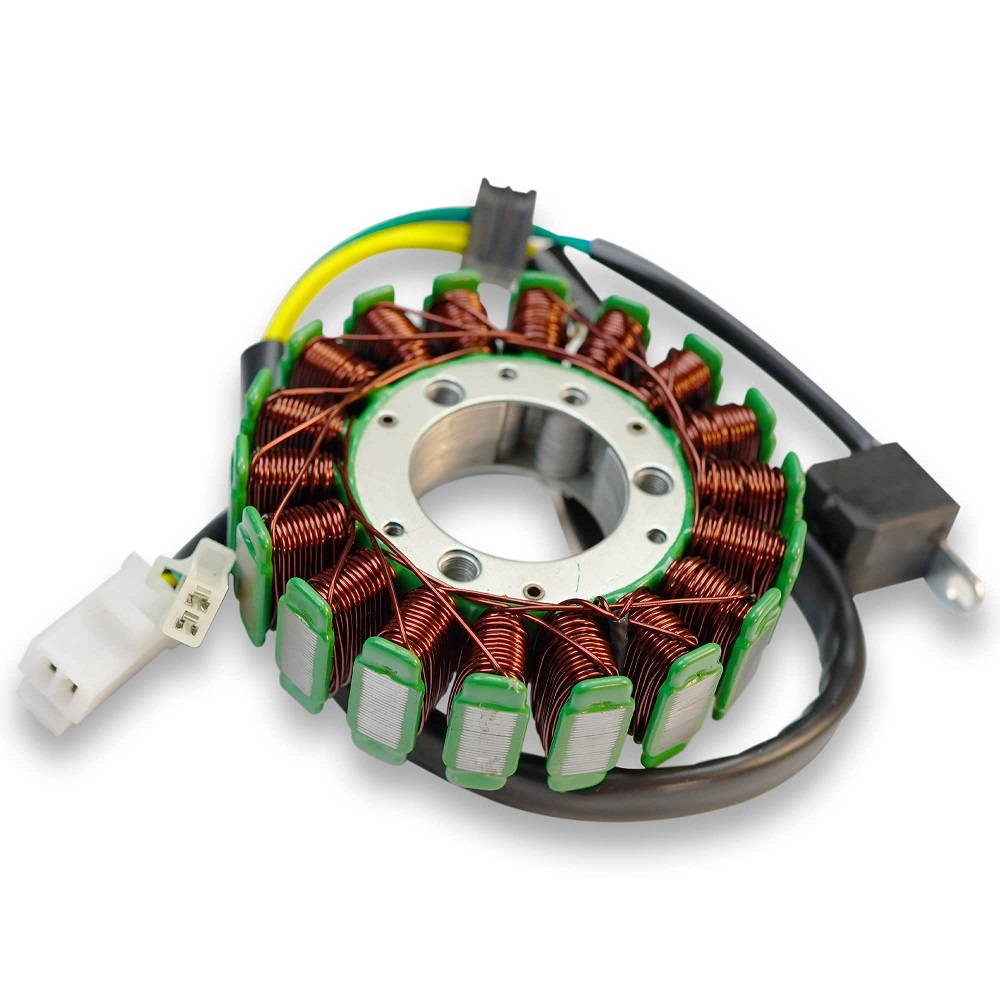
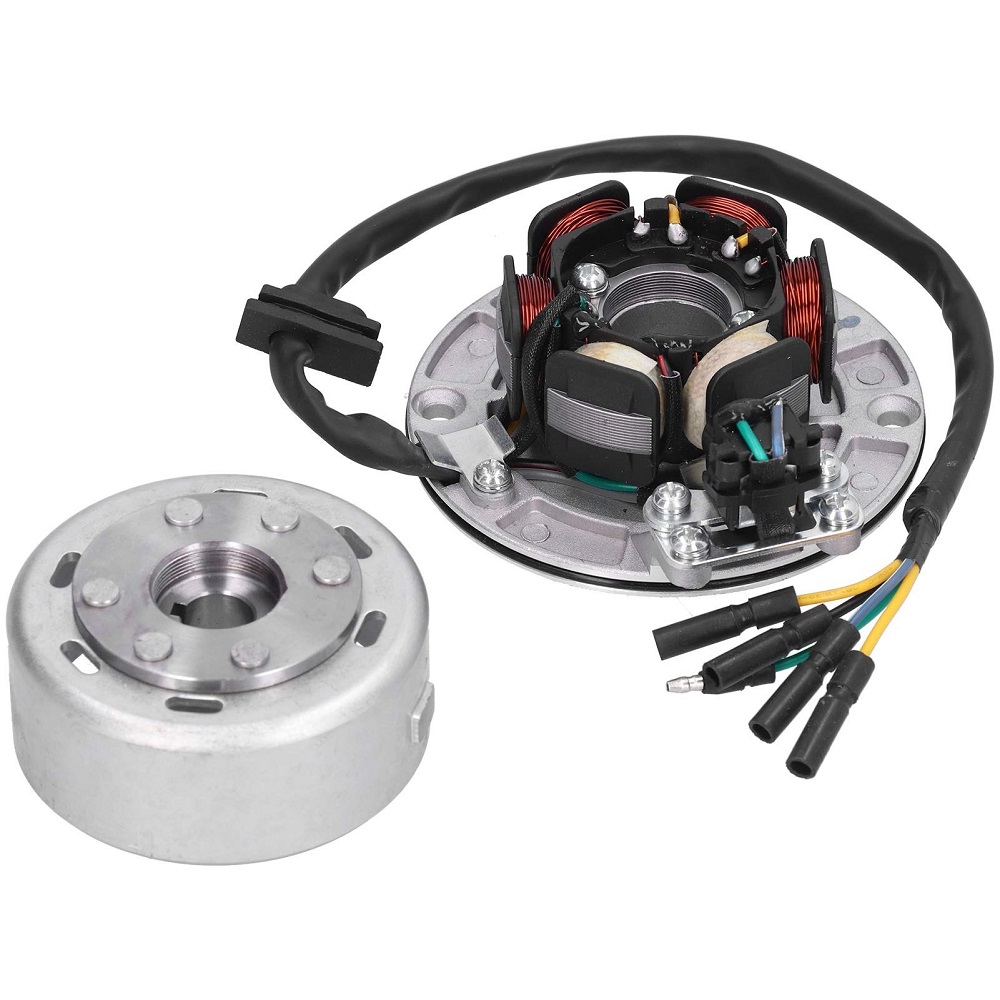
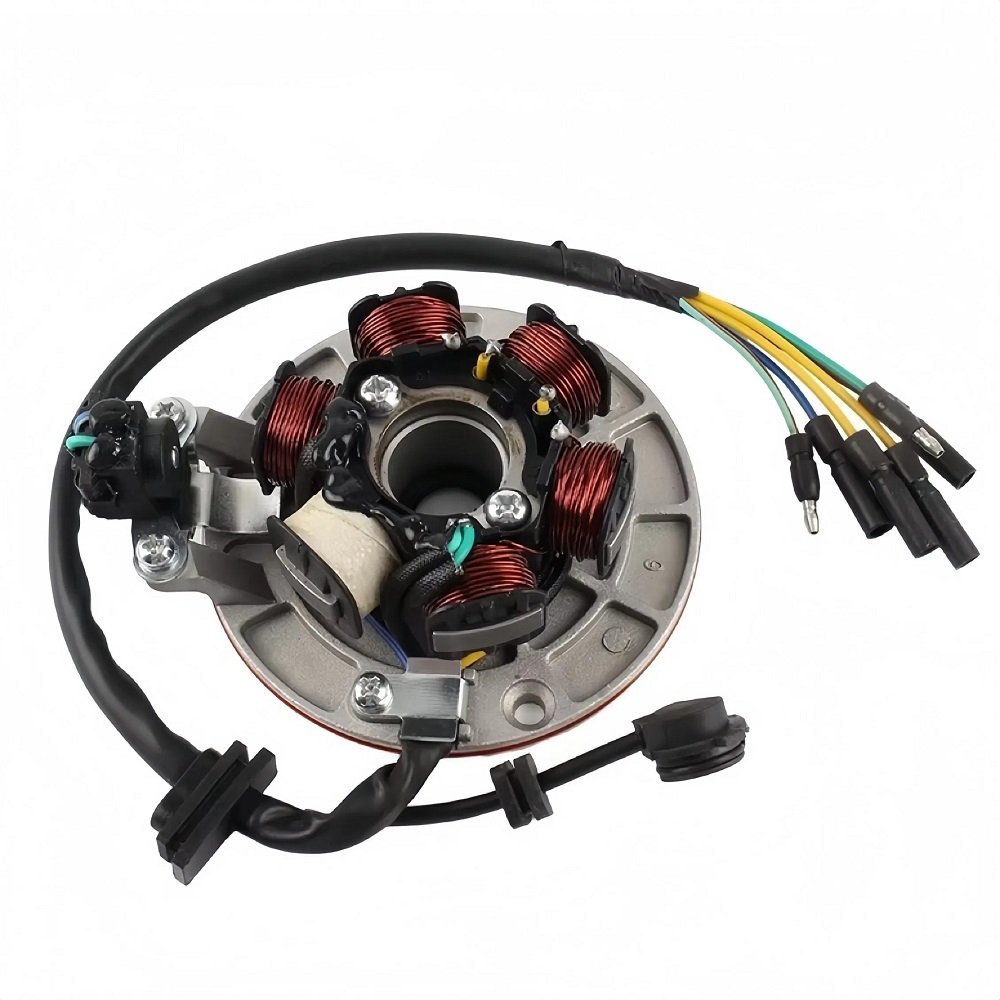
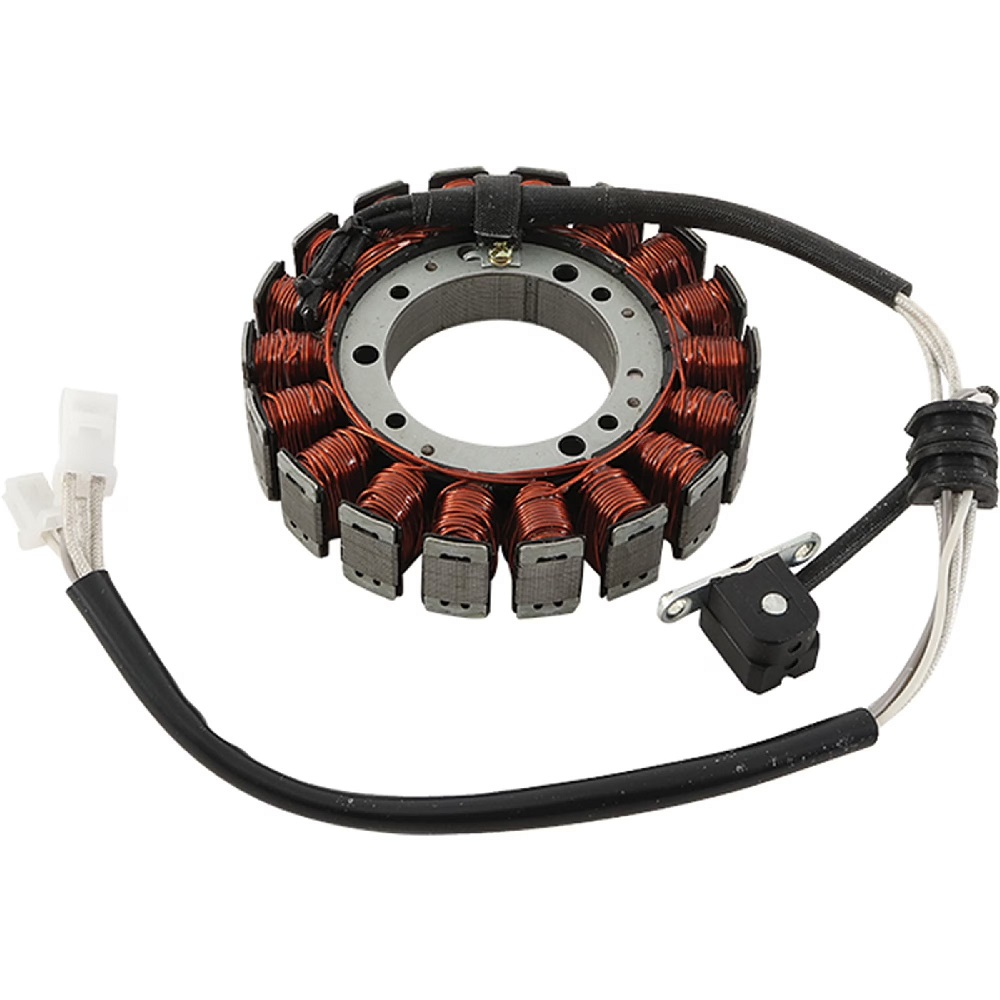
The stator is a crucial component of a motorcycle’s electrical system. Located within the engine casing, it is part of the charging system that produces electricity to power the bike’s electrical components. The stator motorcycle consists of a series of coils and magnets that generate an alternating current (AC) when the motorcycle’s engine runs. This electricity is essential for charging the battery, powering the lights, and operating other electrical devices on the bike.
The Importance of a Quality Stator
Choosing a high-quality stator is vital for ensuring your motorcycle operates smoothly. A faulty or poorly functioning stator can lead to various problems, such as battery drainage, dim lights, and overall electrical system malfunction. Investing in the right stator for your motorcycle model can enhance performance and reliability. Understanding the specifics of your motorcycle’s stator needs and the options available can aid in making an informed decision.
Purpose of This Article
This article aims to provide a comprehensive overview of motorcycle stators, answering questions like what does a stator do on a motorcycle and how to select the right one for your bike model. We will discuss the key functions of a stator—such as generating electrical power for the motorcycle’s electrical system and charging the battery—alongside factors to consider and the various options available. Additionally, we will address common issues related to stators and offer tips on how to maintain them for maximum performance. By the end of this guide, readers will not only understand the role of a stator but also feel confident in their ability to choose and care for the right stator for their motorcycle.
Understanding Stator Functionality
How the Stator Works
The stator generates electricity through electromagnetic induction. As the motorcycle engine turns, a rotor—a magnet-driven component—spins around the stator. This movement induces an electric current within the stator coils. The alternating current produced is then converted to direct current (DC) by the rectifier to charge the battery and power the motorcycle’s electrical systems. This process is vital for keeping all electrical components functioning properly.
Types of Stators
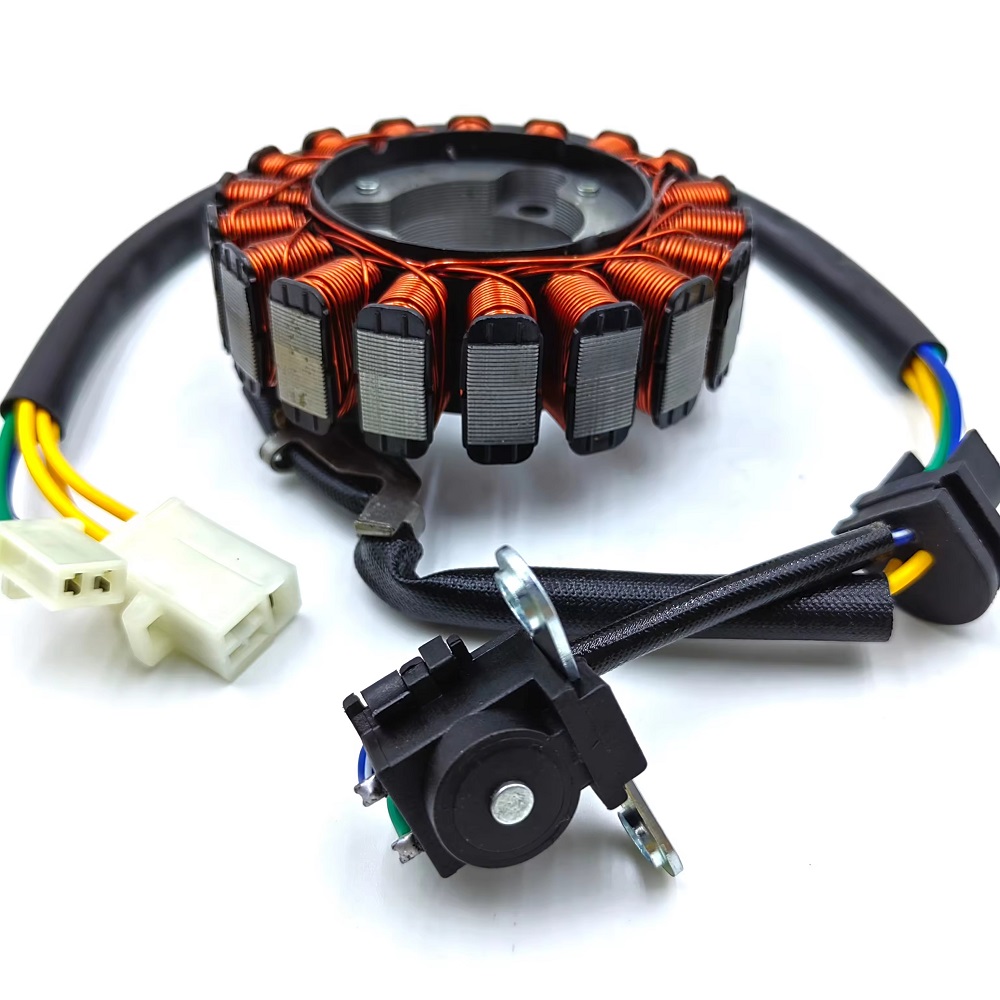
There are various types of stators available, each designed for specific applications. Motorcycle stators can be categorized based on the number of coils and their construction. Some common configurations include single-phase and three-phase stators. Single-phase stators are typically found in smaller motorcycles, while three-phase stators are common in larger, more powerful bikes. Understanding which type fits your motorcycle is essential for optimal performance.
Identifying Stator Issues
Recognizing problems related to the stator is crucial for maintaining your motorcycle. Common signs of stator failure include dimming headlights, trouble starting the bike, and a dead battery. If you notice any of these symptoms, it is important to diagnose the issue quickly to prevent further problems. Regular maintenance checks can help identify failing components before they lead to significant damage.
Factors to Consider When Selecting a Stator
Compatibility with Your Motorcycle Model
The most crucial factor when selecting a stator is compatibility with your specific motorcycle model. Each bike has unique electrical requirements, including the configuration, output, and wiring. Consult your owner’s manual or a trusted mechanic to determine which stator is appropriate for your motorcycle. This decision ensures that your new stator will fit properly and function effectively.
Output Requirements
Different stators produce varying output levels, usually measured in watts or volts. When selecting a stator, consider the electrical demands of your motorcycle. If you have numerous accessories, such as heated grips or additional lighting, you may need a stator with a higher output capacity. Conversely, motorcycles with fewer electrical components may require a standard output stator. Understanding your bike’s requirements will help you select an appropriate stator.
Quality and Brand Reputation
The quality of the stator plays a significant role in its performance and durability. Opting for reputable brands assures reliability and longevity. Familiar brands in the motorcycle industry often offer products backed by warranties and favorable reviews. When selecting a stator, research manufacturers and read customer feedback. This diligence can help prevent the purchase of low-quality components that may cause future problems.
Popular Stator Brands
OEM (Original Equipment Manufacturer)
Choosing an OEM stator is often a safe and reliable option. These stators are made by the motorcycle manufacturer and are designed to meet the exact specifications of your bike. Opting for an OEM part ensures compatibility and often comes with a warranty. While these components tend to be more expensive, many riders find the investment worthwhile for peace of mind.
Aftermarket Brands
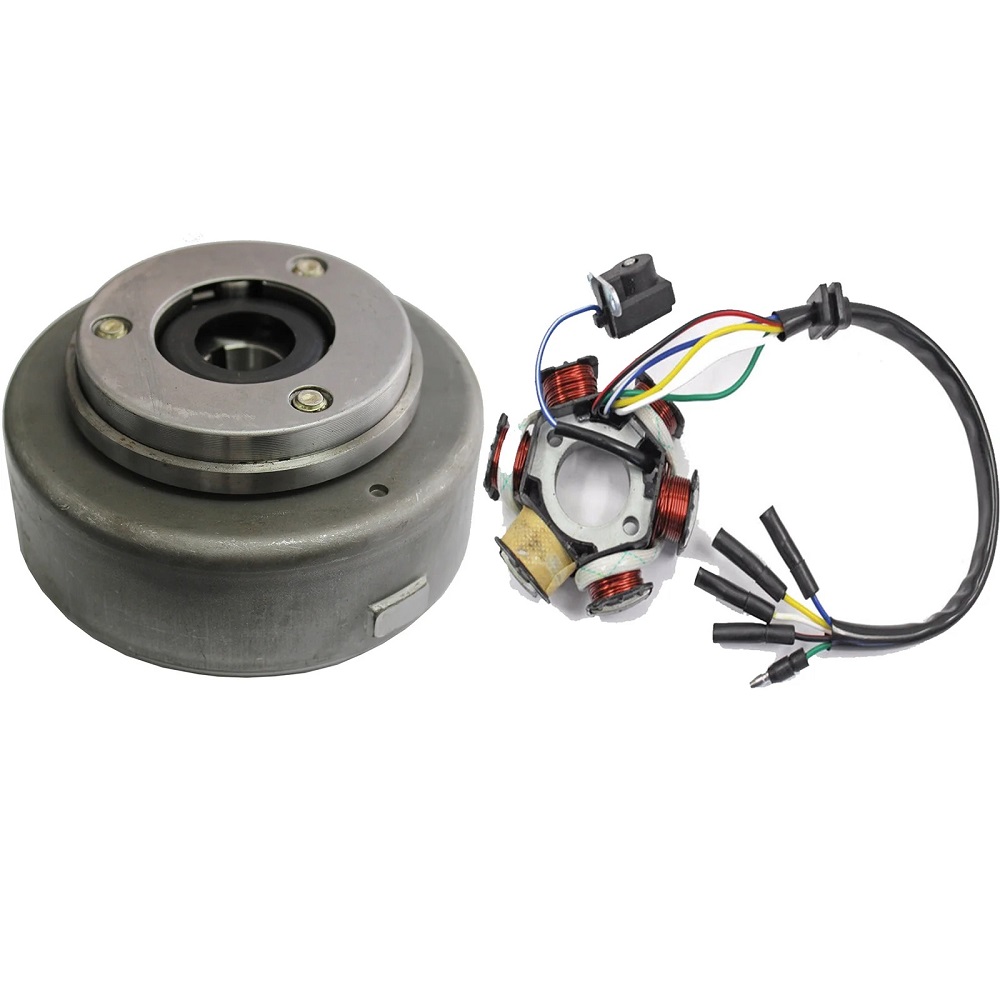
Aftermarket stators can be appealing for those looking for cost-effective options. Many aftermarket brands produce quality stators that rival OEM parts. However, not all aftermarket parts are created equal, so spend time researching reputable brands. Popular choices include Rick’s Motorsport Electrics and Electrosport Industries. These companies have established themselves in the market by offering reliable components and positive customer feedback.
Specialty Brands
Some companies specialize in high-performance or customized stators. For riders who modify their motorcycles extensively, these brands may offer tailored solutions to meet specific needs. Products from brands like Sundance or Tusk can provide advanced functionality for high-performance bikes or unique electrical systems. However, confirm compatibility with your motorcycle before purchasing from these specialty manufacturers.
Installing Your New Stator
Consulting Professionals
If you’re not experienced with motorcycle repairs, consider having a professional install your new stator. Experienced mechanics have the knowledge and tools to complete the job safely and efficiently. They can also perform additional checks to ensure that everything is functioning correctly. While this option involves a cost, it can save you time and provide peace of mind.
DIY Installation Tips
For those who choose to install the stator themselves, proper preparation is essential. Begin by gathering the necessary tools, including screwdrivers, wrenches, and a multimeter. Familiarize yourself with the manual for your motorcycle and follow the specific steps outlined. Carefully disconnect power sources before starting work to ensure safety.
Testing the New Stator
After installation, testing the new stator is vital to confirm that everything functions as intended. Use a multimeter to check the voltage output and confirm it meets the required specifications for your motorcycle. Ensuring the new stator operates correctly is essential to avoid further issues. Regular monitoring after installation will also help catch potential problems early.
Common Stator Issues and Troubleshooting
Signs of Stator Failure
As mentioned earlier, some common signs of stator failure include dim lights and hard starting. Other indicators involve battery issues or stalling while riding. If any of these symptoms arise, consider testing the stator and associated electrical components. Quickly addressing problems can prevent further complications and ensure reliable performance.
Troubleshooting Techniques
To troubleshoot stator issues, start by checking the battery connection. Loose connections can cause similar symptoms as a failing stator. If the connections are secure, you can perform a voltage test using a multimeter. Testing should be done at various RPM levels to confirm that the stator is producing consistent output. This approach helps identify whether the stator or another component is to blame for the issues.
Replacement Process
If troubleshooting confirms that the stator has failed, it will need replacement. Begin by removing the old stator according to your motorcycle’s service manual. Follow installation guidelines closely when fitting the new stator. Properly torque all bolts and connectors during installation to ensure a secure fit. After installation, test the system again to confirm proper functionality.
The Future of Stator Technology
Advancements in Stator Designs
As motorcycle technology continues to advance, stator designs are expected to improve as well. Manufacturers focus on creating lighter and more efficient components that produce higher output without compromising performance. Innovations in materials and construction techniques will help enhance durability and reliability. This progress indicates that future motorcycles will likely benefit from advanced stator technology.
Emphasis on Sustainability
The push for sustainability in the motorcycle industry may influence stator technology as well. Efforts to reduce environmental impact extend beyond engine power to various components. As electric motorcycles gain popularity, stator designs may adapt to fit these new models. This transition will ensure that riders can embrace electric options while maintaining the familiar dependability they expect from traditional motorcycles.
Integration of Smart Technology
As motorcycles continue to integrate smart technology, stators may also feature enhancements, such as diagnostic capabilities. Improved monitoring systems can provide real-time information about performance and potential issues. This technology will help riders make informed decisions about maintenance and keep an eye on their motorcycle’s electrical system. Future advancements will likely enhance the riding experience and offer greater peace of mind.
Conclusion: Embracing the Benefits of a Quality Stator
Making an Informed Decision
In conclusion, selecting the right stator for your motorcycle is crucial for performance and reliability. Understanding the various options, features, and brands available helps ensure you make an informed decision. As you navigate the options, keep your motorcycle’s requirements and your personal preferences in mind. Investing in a high-quality stator motorcycle will lead to a more enjoyable riding experience.
The Importance of Regular Maintenance
Once you have chosen the appropriate stator motorcycle, maintaining it will enhance its lifespan and functionality. Regular inspections and maintenance checks are vital for keeping the stator and motorcycle in optimal condition. Developing a maintenance routine allows for early detection of any issues that may arise, promoting reliability on the road.
Enjoying the Ride
Ultimately, having a dependable stator motorcycle contributes to a more enjoyable motorcycle experience. With the right engine performance and functioning electrical systems, you can focus on what truly matters—enjoying your ride. The sense of freedom that comes with motorcycling is unparalleled, and a well-chosen stator motorcycle helps ensure that the experience remains seamless. Embrace the thrill of the open road and ride confidently, knowing you have made the right choice for your motorcycle!